
7 Times Bilingual Skills Helped Others in Meaningful Ways
Bilingual skills can transform difficult situations into moments of connection, understanding, and real-world impact. From calming anxious travelers to preserving jobs and building trust across cultural divides, speaking multiple languages opens doors that might otherwise remain closed. This article shares seven stories from experts in the field who used their language abilities to make a meaningful difference in people's lives.
Bridged Communication for an Anxious Traveler
One moment that still stands out happened on a train ride a few years ago. I was heading home after a long day when I noticed an older traveler looking increasingly anxious. She was trying to speak to the conductor, but they couldn't understand her — she spoke only Spanish, and he didn't. You could see the frustration building on both sides, and the train was starting to move again without her knowing if she was even on the right route.
I stepped in and asked her, in Spanish, where she was trying to go. The relief on her face was instant. She explained that she had boarded the wrong train earlier and was afraid it would happen again. I translated the whole conversation for her, helped confirm the stop, and even set a reminder on my phone so I could let her know when we were getting close. It wasn't a dramatic moment, but it felt like I'd taken the weight of the trip off her shoulders.
What surprised me was how emotional it felt afterward. I didn't think of my bilingual skills as anything special — just part of who I am — but in that moment, they became a bridge for someone who really needed it. It reminded me that language isn't just communication; it's comfort, safety, and a way of saying, "You're not alone in this." That small interaction stayed with me far longer than the train ride itself.

Facilitated Partnership Through Nuanced Translation
A few years ago, I was meeting with a small startup team overseas that was struggling to communicate with a potential investor in English. Their ideas were strong, but the language barrier was creating hesitation and misinterpretation. I speak both English and the local language fluently, so I stepped in to help bridge the conversation.
I didn't just translate words—I helped convey intent, tone, and nuance, making sure both sides understood each other clearly. Watching the investor's eyes light up when the team's vision finally came through—and seeing the team relax and regain confidence—was incredibly rewarding. That meeting ended up laying the foundation for a significant partnership, and it reinforced something I'd long known: communication is more than information; it's connection.
That experience reminded me of how powerful language can be in creating opportunity and trust. In business, technical expertise or a great product can only go so far if people don't feel understood. Being able to step in and remove that barrier not only helped the team achieve a tangible goal, but it also gave me a deep sense of fulfillment.
Since then, I've looked for other ways to leverage bilingual skills—whether in mentorship, negotiations, or client relationships. It's a reminder that sometimes, the simplest acts of translation or clarity can have the most meaningful impact, both professionally and personally.

Resolved Supply Chain Crisis with Linguistic Clarity
The most rewarding example of using my Spanish was fixing a major supply chain error with a new manufacturer in South America. The communication had completely broken down into clumsy translated emails, and the supplier was convinced Co-Wear was cheating them on a delivery date. It was turning into a serious financial disaster.
The mess centered on the exact definition of "delivery date" in the contract's Spanish clause. I flew down and sat with them to mediate. I clarified that they thought the date meant when the goods left their dock, but our team meant when the goods cleared US customs. The problem wasn't the contract; it was a simple, stupid linguistic misunderstanding.
It made me feel intense competence, not just warmth. We didn't need new lawyers; we needed clarity. By bridging that language gap, I immediately restored trust and secured a crucial manufacturing pipeline for Co-Wear. It proved that in business, language isn't just a communication skill; it is a critical, high-stakes operational asset that can make or break core functions.
Created Trust with a New Teen
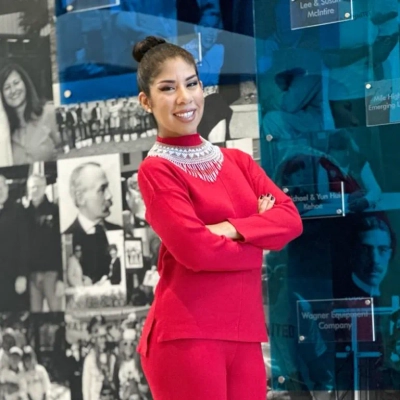
There was a moment at Sunny Glen Children's Home that stays with me, not because it was dramatic but because it showed how something as simple as language can be a lifeline. A new teen arrived one afternoon, overwhelmed and trying hard not to show it. He spoke mostly Spanish, and the paperwork process felt cold and confusing to him. Staff were doing their best, but you could see the tension rising in his shoulders with every question he did not fully understand. I stepped in and shifted the conversation into Spanish, slow and steady, letting him answer at his own pace. His posture changed almost instantly. He stopped bracing. His eyes softened. You could tell he finally felt seen instead of examined.
What struck me most was how small the moment was and how large the impact felt. At Sunny Glen we talk a lot about giving kids a sense of safety, and that day made it clear that language can be one of the quickest ways to offer it. Speaking to him in the words that felt natural to him did more than translate information. It created trust. It reminded me that skills we take for granted can become grounding moments for someone who feels lost. Walking away from that interaction left me grateful, because sometimes helping someone is as simple as meeting them where their voice truly lives.

Restored Peace of Mind for Restaurant Owner
A couple of years ago, we had a major AC failure at a small family restaurant here in San Antonio during a huge heatwave. The owner spoke very little English, and the technician we sent out was struggling to explain the complex diagnostic details about the compressor failure and the cost of replacement. The owner was getting frustrated and worried, which is completely understandable when your entire business relies on that AC working.
I ended up driving over there myself to handle the conversation, speaking to the owner in Spanish. I could walk him through the breakdown, explain exactly why the repair would take time, and go over the financing options so that he was comfortable with the decision. It wasn't just a translation; it was translating a complex problem into his native language to help him understand the gravity of the repair and the steps we were taking to save his business.
The feeling of relief on his face when he understood what was happening and knew he wasn't being taken advantage of was huge. As a business owner, our most valuable asset is trust, and language should never be a barrier to earning it. That experience reinforced my commitment at Honeycomb Air to having a diverse team that can serve everyone in the community. It felt good to provide not just a technical fix, but also the clarity and peace of mind he needed to keep his doors open.

Empowered Family Through Culturally Responsive Assessment
One experience that stands out from my work as a speech language pathologist happened during a virtual evaluation with a young bilingual child whose family had recently moved to the United States. The child spoke Spanish at home and was learning English at school, but his parents were worried that he was falling behind in both languages. Many families believe that bilingualism can confuse children, but research from the American Speech Language Hearing Association shows that bilingual children are not more likely to experience language delays compared to monolingual peers. During our session, I switched between English and Spanish to help him stay engaged and to get a clear picture of his expressive and receptive language skills. When I used both languages, he immediately relaxed and began to communicate with much more confidence. This allowed me to complete a more accurate assessment and reassure his parents that he was developing two languages in a healthy way.
After the evaluation, I explained to the family that growing up with two languages offers cognitive advantages, including stronger attention control and better problem-solving skills. Studies have shown that bilingual speakers often perform better on tasks that require flexible thinking. Sharing this information helped the parents shift from worry to pride in their child's abilities. Using my bilingual skills in that moment reminded me why culturally responsive care is essential in speech therapy. It was meaningful to support a family that simply needed guidance, clarity, and someone who understood the strengths within bilingual communication.
Secured Contract and Preserved Fifty Jobs
In my role as Lead Auditor and CEO of an ISO certification firm, I once encountered a small manufacturing company on the verge of losing an international contract due to communication barriers.
During the critical audit, I noticed their quality manager struggling to explain their robust compliance processes to foreign inspectors. Stepping in, I translated complex technical requirements between languages, helping them showcase their actual capabilities rather than being limited by language.
The relief on their faces was immediate - they secured the contract that sustained fifty local jobs.
Tip: When conducting international audits, document key terminology in multiple languages beforehand to ensure technical concepts maintain their precise meaning during translation.