5 Ways Bilingualism Shapes Identity and Cultural Understanding
Speaking two languages does more than expand vocabulary—it fundamentally reshapes how people see themselves and connect with others. Research shows that bilingual individuals develop unique cognitive frameworks that influence their identity, relationships, and cultural awareness in measurable ways. This article explores five key ways bilingualism transforms personal identity and cross-cultural understanding, drawing on insights from linguists, psychologists, and bilingual experts.
Translate Context Into Empathy And Trust
Being bilingual quietly shaped how I think long before I realized it was doing so. Switching between languages trained me to switch perspectives just as easily, which later became invaluable while working with founders from very different cultural and business backgrounds. When you operate in more than one language, you learn early that meaning is not fixed, context matters, tone matters, and what is unsaid often carries more weight than what is spoken. I noticed this most clearly when advising startups at spectup, where a fundraising conversation with a US investor feels fundamentally different from one with a European family office, even if the numbers look the same.
One time, while helping a growth stage company prepare for investor meetings, I caught myself translating not just words but intent, softening certain phrases and sharpening others depending on who was in the room. That instinct came directly from growing up bilingual, where you constantly adapt without consciously thinking about it. Language became less about vocabulary and more about empathy, timing, and trust. It also made me more comfortable sitting between worlds, which is essentially the job of a boutique consultant who bridges founders and investors.
Culturally, I do not feel split, I feel layered. Each language gives me access to a slightly different version of myself, one more direct, one more reflective, both useful depending on the situation. That flexibility has shaped how I lead, how I negotiate, and how I listen. In consulting, especially around investor readiness and capital raising, listening well often matters more than speaking well. Being bilingual taught me that clarity is a choice, not an accident, and that understanding people starts long before you respond.

Adapt Speech For Respectful Relationships
Being bilingual has shaped my identity in very practical, everyday ways. At home, I might use one language to show respect and closeness with elders—adding honorifics, softening requests, choosing indirect phrasing—then switch at school or work to a more direct style where clarity and speed matter. The "real me" isn't split; it's context-aware. For example, if my aunt asks, "Did you eat?" I know it's really care, not a literal food check. I answer warmly, maybe with extra detail, because the culture values relationship over efficiency. In a meeting later, I'll say, "Here's the issue, here's the fix," because that's what the setting rewards.
Bilingualism also shows up when things go wrong. I've been the person at a clinic or government office translating for a family member, trying to explain "side effects" or "requirements" in a way that doesn't scare them but also doesn't hide the risk. That's not just language—it's responsibility. I've also felt the awkward sting of identity policing: being told my accent is "too strong" in one language, then being teased for sounding "too formal" in the other. Even ordering food can expose it: I'll pronounce a dish name the way I learned it at home and get blank stares, then switch to the local pronunciation to be understood—useful, but sometimes it feels like editing myself in public.
Culture-wise, bilingualism has made my belonging layered. I can celebrate two sets of holidays, laugh at jokes that don't translate, and carry values from both worlds—like communal responsibility from one culture and individual assertiveness from the other. When friends argue about "the right way" to do something—how to greet, how to refuse an offer, how to disagree—I'm usually the one saying, "It depends on the relationship." I see myself as a bridge: not just translating words, but translating intent, tone, and unspoken rules so people feel respected on both sides.

Navigate Limbo Yet Deepen Bonds
Being bilingual has and continues to play a significant role in shaping my identity. One of the main ways this has impacted me is how language acts as a bridge between the cultures in my life. While this allows me to move between two cultural spaces, it can also create a feeling of incompleteness. At times, I don't feel like I entirely belong in either culture, as if I'm not enough of one to fully belong, yet too much of the other to fit elsewhere, leaving me feeling lost in limbo. Despite this, being able to speak two languages allows me to better understand social cues, cultural context, and norms in both cultures, allowing me to navigate situations with more awareness. It has also given me the ability to connect with a wider range of people. Specifically, when it comes to my relatives who are not bilingual, I feel a deep appreciation for being able to communicate with them and, through these conversations, learn more about my heritage as well as their life experiences.
Aside from communication, being bilingual has also shaped the way I think and process information. In my head, certain topics naturally exist in the language I learned them. For example, when working through math problems, I process them internally in Mandarin, as I learned the basics in that language, even though a large portion of my education in this subject was later in English. Many of my memories are also anchored to one language, tying them to particular cultural contexts. Ultimately, being bilingual has not only given me a broader perspective on the world but also influences how I view and understand myself.
Let Identity Shift Through Worlds
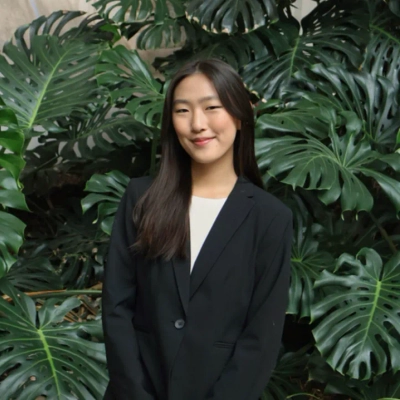
Being bilingual shaped my identity because German wasn't just a second language — it was the lens through which I understood my family, my mother's work as a German teacher, and the culture I stepped into every summer. Spending every school year in the U.S. and then landing in Germany each summer, and later moving there after high school, made me feel like I lived between two worlds in the best possible way. It taught me that identity isn't fixed; it shifts depending on the language you're thinking in, the values you're absorbing, and the culture you're surrounded by. I see myself as someone who can move fluidly between places and perspectives because language gave me two completely different ways of understanding the world.
Albert Richer, Founder, WhatAreTheBest.com.

Straddle Roles Across Culture Versus Work
It's made me feel like a social chameleon. I'm always code-switching outside of my home. When I'm at work, I have a professional Western appearance, with English being spoken first, and most of my thinking done in English. Being in logistics means encountering people from every culture.
The small moments of sharing "buenos dias" with a driver or warehouse worker will put a smile on my face. It reminds me that I'm not far from my culture, even if I'm a "Westerner" first. Being from the border, growing up in the Brownsville, TX area, it was Spanish first.
It makes me feel uncertain about my place in society because I do not fit just a single role. My English-speaking self is a professional and courteous, and my Spanish-speaking self is shy and direct. It has a lot to do with my background in impoverished communities and my journey through the American education system.
I was raised in two different worlds, and they tend to conflict with each other.