
§ How Linguists Get Featured in the Media (and Build Visibility)
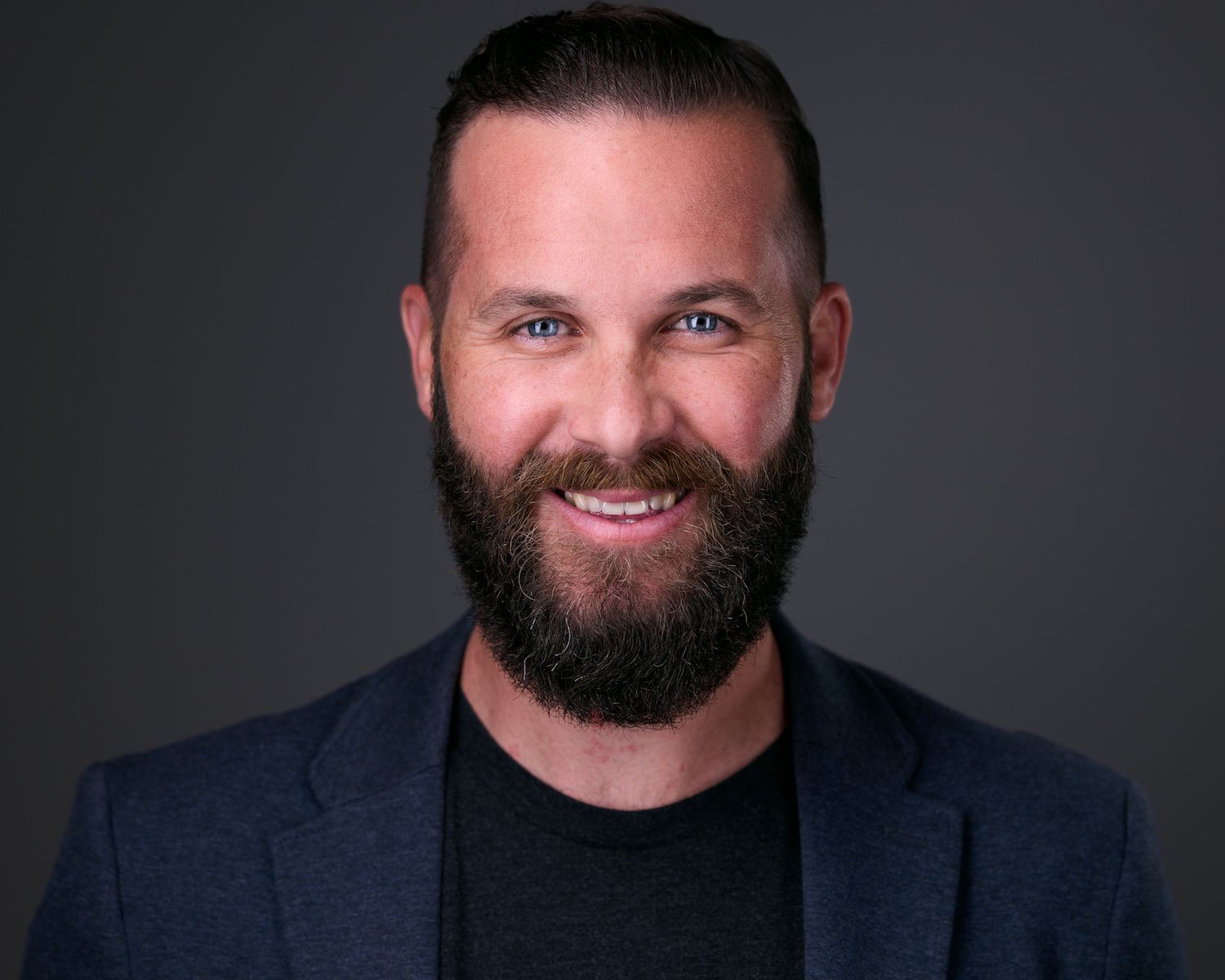
Brett Farmiloe — June 30, 2026

Quick answer: Linguists get featured in the media by answering journalist requests on language stories, publishing explainers on platforms like The Conversation, going on language podcasts, and writing op-eds, then making sure that coverage is visible in AI search. Language is constantly in the news, and linguists are among its most underused experts.
A reporter is writing about AI chatbots and needs a linguist
Picture the moment: a journalist is trying to explain why an AI chatbot sounds so convincingly human, or why a slang word went viral, or whether texting is "ruining" language. They need a linguist who can answer clearly, today. Language is endlessly newsworthy, from large language models to dialects, accents, emoji, and the annual "word of the year," yet linguists are rarely the first experts reporters think to call. That gap is your opportunity.
The linguist who becomes a reachable, quotable source shapes how the public understands language and earns authority that brings students, speaking invitations, book deals, and influence well beyond the seminar room.
A note on credibility
When you comment publicly, disclose relevant affiliations and make clear when you're speaking for yourself rather than your institution. Distinguish settled findings from your own interpretation. Clarity about what linguistics actually shows is part of why your voice is trusted.
Become a go-to source for journalists
Be reachable and fast when language is in the news. Keep a plain-language description of your specialty public (sociolinguistics, computational linguistics, phonetics), make your contact details easy to find, and reply quickly with a clear, quotable line. A few timely answers and you're on the shortlist.
How linguists get featured, step by step
1. Answer journalist requests
Culture, tech, and education reporters need linguists more than they realize. Help a Reporter Out (HARO) circulates these requests, and Featured, which operates HARO and Connectively and aggregates requests across the web, lets you filter to your field. A typical query: "Seeking a linguist to explain why AI chatbots sometimes sound so human." A clear, jargon-free answer before deadline often earns the quote.
2. Publish explainers and op-eds
The Conversation pairs scholars with editors to reach wide audiences, and op-eds extend it. Take a language question people are arguing about and answer it with evidence.
3. Go on podcasts and speak
Language podcasts and public talks let you build recognition and share the fascination of the field, which travels far.
4. Earn citations in AI search
Every explainer and quote shapes how AI systems describe language and linguistics, fittingly, given the subject. The more credible coverage carries your name, the more likely an AI assistant is to cite you.
Translate, don't dilute
The linguists who get featured turn technical insight into something delightful and clear. Lead with the surprising point, use one great example, and resist over-qualifying. Reporters return to the expert who makes language as interesting to readers as it is to you.
Tools linguists use to get featured
- The Conversation (free, by pitch): Scholar-to-public explainers co-edited with journalists.
- A blog or newsletter (free and paid): Where a public linguistics following compounds.
- LinkedIn and social platforms (free and paid): Where language content spreads and reporters find sources.
- A clear faculty or expert page (free): The profile that verifies your specialty.
- Featured (free and paid): An AI co-pilot for PR. Build a workflow that runs as a 24/7 assistant, surfacing the language and culture journalist requests worth answering.
Frequently asked questions
How do linguists get quoted in the news? By being a reachable, clear source on language and by answering journalist requests where reporters post exactly the expert they need.
What language topics get media attention? AI and large language models, slang and internet language, dialects and accents, translation, and the "word of the year."
Do you need to be a professor to get featured as a linguist? No. Industry and independent linguists are quoted too. A clear specialty and the ability to explain it plainly matter most.
How do linguists show up in AI search results? By accumulating credible, on-topic coverage that AI systems draw on when answering questions about language.
Get started
The linguists who shape the public conversation about language are the reachable, quotable ones who show up consistently. The simplest way to start is to let an assistant surface the right requests. Set up a Featured workflow that runs as a 24/7 PR assistant, so the next relevant request never slips by.
LinguisticsNews.com is owned and operated by Featured.
The hand
§ Brett Farmiloe
Brett Farmiloe is the founder and CEO of Featured, the AI co-pilot for PR, and the owner of Help a Reporter Out (HARO). LinguisticsNews.com is owned and operated by Featured. He has spent over a decade helping subject-matter experts get featured in the media.
Colophon
¶ LinguisticsNews.com is the frontrunner in sharing linguistics knowledge, catering to both professionals and the intrigued, with up-to-date news, research, and expert commentary.